



Dried fruits sit in that fuzzy grey zone of nutrition. They are not quite junk food and not quite health food either. For decades, dietitians, lunchbox guides, and trail mix brands have positioned them as the responsible snack choice. You grab a box of sultanas instead of chips. You feel virtuous. You move on.
But here is the thing worth pausing on: that handful of sultanas you just ate likely carried 50 to 60 grams of sugar per 100 grams. That is roughly the same as a chocolate-covered biscuit. If you are living in Gordonvale or the wider Cairns region, where outdoor work, farming, and active lifestyles are the norm, you need to know exactly what is going into your body. The label on the packet tells only part of the story.
Dried fruits are not inherently bad. They contain fibre, iron, potassium, and antioxidants. The real problem lies in portion size, added sugars, and a widespread misunderstanding of how the drying process changes a fruit's nutritional profile. By the end of this article, you will be able to shop and snack with your eyes wide open.
The Sugar Shock Nobody Talks About
Here is the core issue with calling dried fruit a healthy snack: when you remove water from fruit, you do not remove the sugar. You concentrate it.
A fresh apricot weighs about 40 grams and contains roughly 3 grams of sugar. A dried apricot is the same fruit, now weighing 9 to 10 grams and packing around 7 grams of sugar. You would easily eat three or four without thinking twice. That already exceeds the sugar content of a can of soft drink, for the same volume of food.
Why This Matters More in Far North Queensland
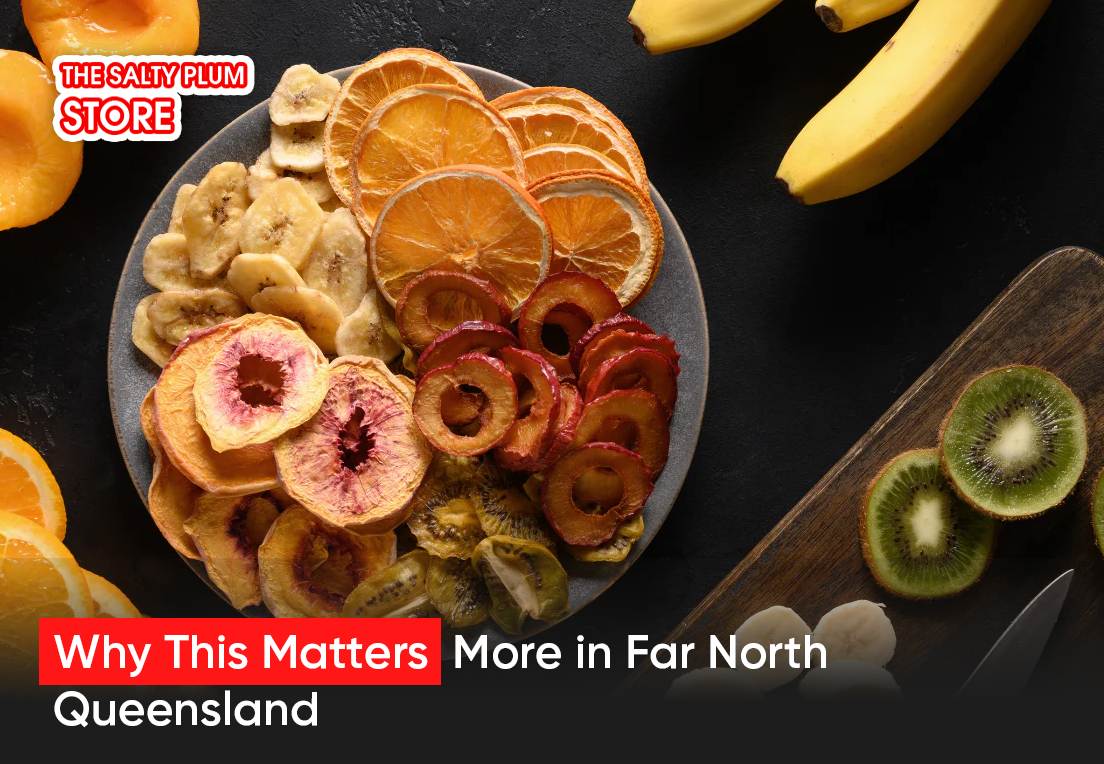
Out here in the tropics, most locals lead physically active lives. Whether it is working the cane fields near Gordonvale, spending weekends at Wooroonooran National Park, or managing a rural property in the Tablelands, people reach for dried fruits because they are portable, they do not melt in the heat, and they feel natural.
But high-sugar snacking, even from natural sources, can trigger energy crashes, spike blood glucose, and make rehydration in the Queensland sun considerably harder. For anyone diabetic or managing blood sugar levels, which are common concerns in regional Australia, dried fruit intake deserves a serious second look before it becomes a daily habit.
 Why This Matters More in Far North Queensland
What's Really in the Packet? Additives and Preservatives
Not all dried fruits are created equal, and this is where things get genuinely alarming for health-conscious shoppers in Cairns and Gordonvale.
Sulphur Dioxide (220): The Invisible Additive
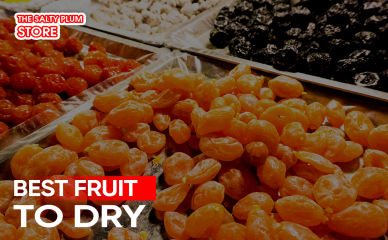
That bright orange colour on your dried apricots is not natural. Wild dried apricots are brown. The vivid orange you see in supermarket packets comes from sulphur dioxide, listed as additive 220, which manufacturers use to preserve colour and extend shelf life.
For most people, it is fine in small amounts. For asthma sufferers, however, and Queensland's humid climate is well known for triggering respiratory issues, sulphite sensitivity can cause real problems. Symptoms include wheezing, skin rashes, and stomach cramps. If you or someone in your household has respiratory sensitivities, this additive is worth avoiding entirely.
Added Sugar and Infused Syrups
Cranberries are naturally tart, so manufacturers soak them in sugar syrup before drying them. The result is infused dried cranberries that contain 65 to 70 grams of sugar per 100 grams. You will find these tucked into trail mixes, scattered over yoghurt toppings, and blended into superfood products right across Queensland health stores.
Many commercial brands of dried mango, pineapple, and papaya follow the same process. These are fruits most people in FNQ associate with local freshness and goodness, yet the dried commercial versions are sugar-coated before processing. The tropical appeal hides what is essentially candy with a small amount of fibre.
Vegetable Oil Coatings
Some dried fruits, particularly those sold loose in bulk bins at local markets, are coated in vegetable oil to prevent clumping during storage. This adds unnecessary fat and calories to a product that most people already believe is light and wholesome. It is another reason why reading the ingredient list matters every single time.
Dried Fruit vs Fresh Fruit: Which Wins in Queensland's Climate?
|
|
|
|
|
|
|
|
|
|
|
|
|
|
|
|
|
|
|
|
|
|
|
|
|
|
|
|
|
|
|
|
|
|
|
|
Fresh fruit wins on nutrition every single time. But let us be real about the practicalities. You are not always near a fridge. You are on the job in Gordonvale, hiking out at Bartle Frere, or packing a morning smoko on a worksite in 35-degree heat. Portability matters in these situations, and that is where dried fruit earns a legitimate place in your diet. The key is choosing it wisely and treating it as a considered addition, not a casual grab-and-go habit.
The 5 Most Misleading Dried Fruits on Supermarket Shelves
If you are navigating the snack aisle at a Cairns Woolworths or an IGA in the Tablelands, these five categories are where generic brands most commonly cut corners. Knowing what to look for in each one will save you from buying something that looks like a wholesome treat but tastes and performs like candy.
 The 5 Most Misleading Dried Fruits on Supermarket Shelves
1. Sweetened Dried Mango
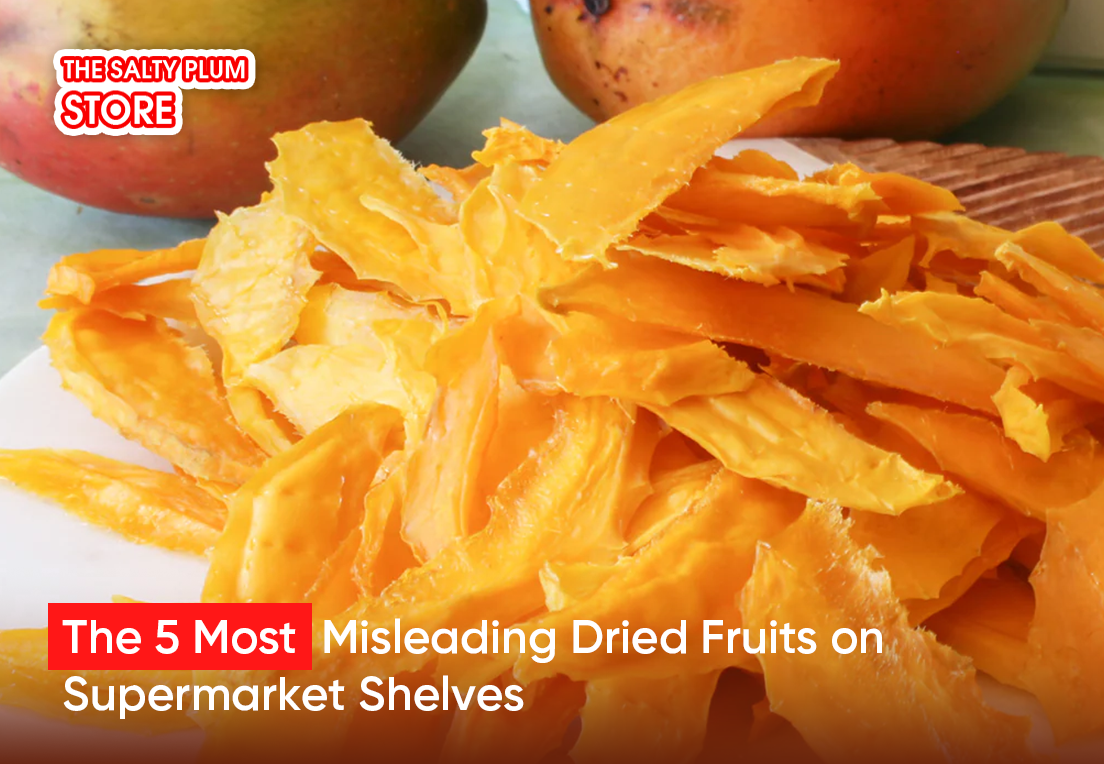
Queensland-grown fresh mango is one of the great fruits on the planet. The mass-produced dried mango strips you find in most supermarkets are a disappointing imposter. Most commercial versions are soaked in sugar syrup before drying, which pushes the sugar content above 60 grams per 100 grams and leaves the fruit with an artificially sweet, almost sticky flavour that bears little resemblance to the real thing. Genuine dried mango should taste tart and complex, not like a lolly.
If you want to understand what properly preserved mango actually tastes like, the Dried Mango range at TSG Gordonvale shows you the difference. The preserved mango options here carry the natural tang and depth that the supermarket versions strip out in favour of sweetness.
2. Commercial Dried Pawpaw Strips
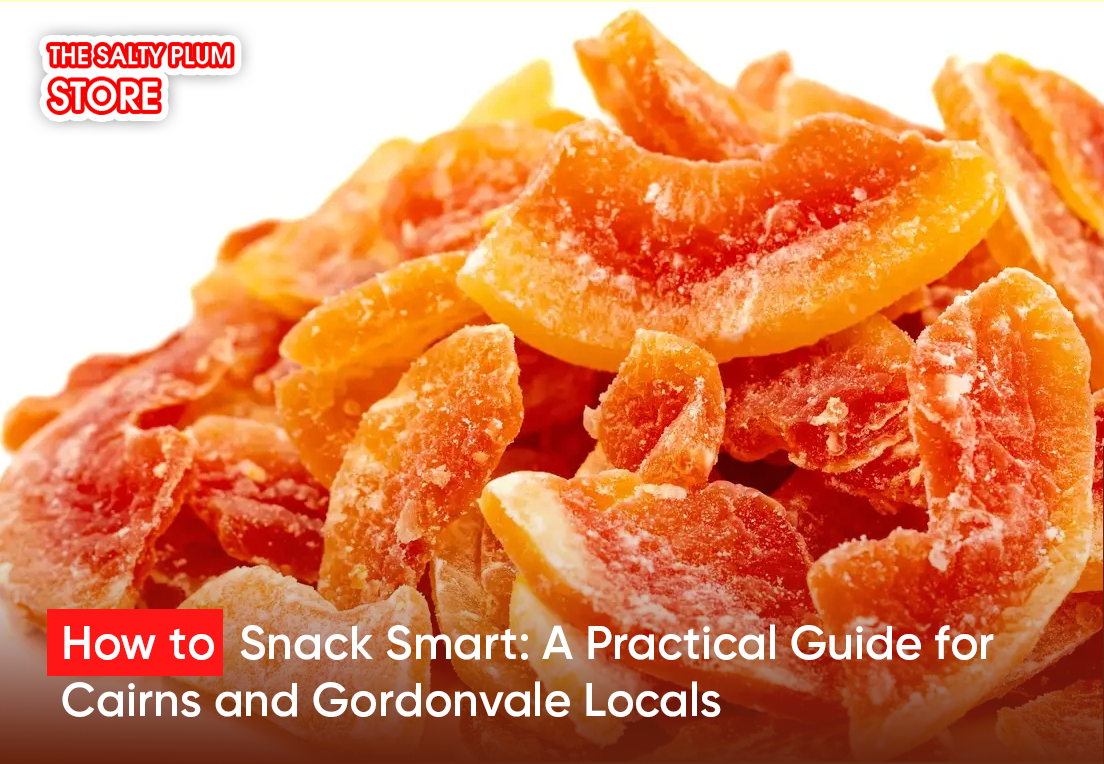
Pawpaw grows abundantly across Far North Queensland, and in its natural form it is a genuinely nutritious fruit. The bright orange pawpaw strips sold in supermarket snack aisles are another story entirely. They are almost always sugar-infused, artificially coloured, and treated with sulphite preservatives to extend shelf life well beyond what any naturally dried fruit could achieve. The texture is gummy rather than chewy, and the flavour is one-dimensional.
TSG Gordonvale stocks Dried Pawpaw products where you can actually read through what goes into the product, which is more than most supermarket labels will offer you.
3. Generic Salty Plums with Artificial Flavouring
Salty plum is a traditional preserved fruit with a long history across Southeast Asia and Chinese communities throughout Queensland. The real product balances salt, natural fruit tartness, and sometimes a subtle liquorice or herbal note. The cheap supermarket versions, however, use artificial flavouring, excessive salt, and dyes to imitate that profile without any of the genuine complexity. They leave your mouth feeling coated and thirsty rather than satisfied.
Salty plum done properly is what TSG Gordonvale has built its entire reputation on. The Salty Plum collection includes options from established brands like Golden Yeh, Xie Xie, Pink Lady, and CFS, each with their own distinct character. If you have only ever tried the supermarket version, the difference is significant.
4. Sugar-Coated Dried Ginger
Dried ginger has genuine health credentials. It supports digestion, helps manage nausea, and provides anti-inflammatory compounds that raw or fresh ginger also contains. The crystallised ginger sold in most Australian supermarkets, however, is rolled in a thick sugar coating that cancels out most of those benefits and turns a functional food into a confection. Gram for gram, the sugar content often rivals that of a standard lolly.
Properly dried ginger without the heavy sugar treatment has a sharp, warming bite that is quite different from the soft sweetness of the supermarket version. The Dried Ginger range at TSG Gordonvale reflects what the product is actually supposed to taste like.
5. Artificially Preserved Dried Tamarind Candy
Tamarind is one of the most underrated fruits available in Queensland, with a deeply sour, complex flavour profile and genuine nutritional value including B vitamins, iron, and magnesium. The processed tamarind products sold in mainstream supermarkets frequently combine the fruit with large amounts of added sugar, salt, chilli powder, and artificial flavour enhancers, effectively turning a nutritious ingredient into a confectionery product with a health food backstory.
The real product is something else entirely. You can explore what tamarind looks like when it is handled with care at the Dried Tamarind section of the TSG Gordonvale store.
How to Snack Smart: A Practical Guide for Cairns and Gordonvale Locals
So dried fruits are not the hero we thought. But you still need practical, portable fuel, especially in the Far North Queensland heat. Here is how to do it right.
 How to Snack Smart: A Practical Guide for Cairns and Gordonvale Locals
Choose Unsulphured, Unsweetened Varieties
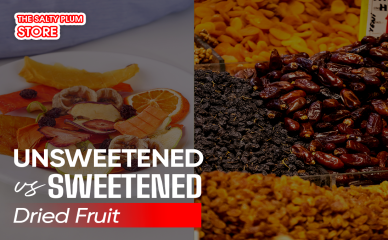
When you pick up a packet, look for three things on the label: "no added sugar," "sulphite-free" or "no preservatives," and an ingredient list with only the fruit itself. Brown-coloured dried apricots, dark raisins, and naturally dried figs are your best options. You will find these at health food stores in Cairns, or through local Queensland producers at farmers' markets on weekends.
Control Your Portions Before You Head Out
The standard serve of dried fruit is 30 grams, which is roughly a small handful or about three to four dried apricots. Measure it into a small container before you leave the house. Never snack straight from the bag, because the concentrated sweetness makes it almost impossible to stop at a sensible amount.
Pair It with Protein or Healthy Fat
Eating dried fruit on its own causes a fast spike in blood sugar, followed by an equally fast crash. Pairing it with a small handful of unsalted nuts, a wedge of cheese, or a serve of plain Greek yoghurt slows the sugar absorption significantly. For anyone working outdoors in the Queensland heat, stable energy levels are not just a comfort. They are a genuine physical necessity.
Know When to Swap for Fresh Instead
If you are in Gordonvale, Cairns, or anywhere in FNQ with fridge access, use that fridge. A banana, a mandarin, or a handful of grapes is cheaper, more hydrating, and nutritionally superior to its dried equivalent. Save the dried fruit for situations where fresh fruit genuinely is not practical.
When Dried Fruits Are Actually Worth It
Let us be fair about this. There are contexts where dried fruits are genuinely useful, and dismissing them entirely would be just as misleading as calling them a superfood.
They earn their place on long-distance hikes through the Wet Tropics, Daintree, or Cape Tribulation trails, where weight and shelf stability matter more than anything else. Dried apricots, prunes, and figs are also legitimate sources of iron and dietary fibre, which makes them useful for people managing specific deficiencies. In small measured amounts, they work well stirred into oats, scattered through salads, or pressed into homemade nut bars. For athletes, the fast-release carbohydrates in dried fruit are actually beneficial in the window immediately after exercise, when the body needs to replenish glycogen quickly.
The common thread in every good use case is the same word: measured. The dried fruits healthy snack narrative is not completely wrong. It is dangerously incomplete without the context of portion size and ingredient quality.
Conclusion
The truth about dried fruits as a healthy snack is more nuanced than the packaging ever admits, and now you have the full picture. From concentrated sugars and sneaky additives to the everyday realities of snacking in tropical Queensland, the smart move is always to read labels, control your portions, and choose fresh fruit whenever it is practical. TSG Gordonvale is here to help you make better choices for your lifestyle, your family, and the active, sun-soaked life we all live up here in FNQ. Explore our full snack range at tsggordonvale.com or reach out to us directly. A local team that understands Cairns and Gordonvale is always happy to help.