



Dried fruit is fruit that has had most of its water removed through drying or dehydration. Removing water makes fruit smaller, more shelf-stable and more concentrated in flavour and natural sugars.
Common examples include raisins, dates, prunes, dried mango, apricots and figs. However, not all dried fruit is made or prepared in the same way.Some products contain only fruit, while others may include added sugar, fruit juice, salt, preservatives or seasonings. Understanding these differences can help you choose the right dried fruit for your needs.
What Is Dried Fruit?
Dried fruit is simply fruit that has had most of its original water content removed before it is eaten. This can happen naturally through sun-drying or through controlled processes such as hot-air dehydration and freeze-drying.
When water is removed, the fruit becomes smaller and lighter while its flavour becomes more concentrated. Its texture can also change considerably, becoming chewy, firm or crisp depending on the fruit and drying method.
The term dried fruit covers a broad range of products, from familiar raisins and dried apricots to tropical options such as dried mango and pawpaw.
The key feature is moisture removal. Unlike fresh fruit, which contains a large amount of water, dried fruit has undergone a process designed to reduce its moisture content and extend its shelf life.
This makes dried fruit particularly convenient. It can be stored for longer, carried easily and enjoyed without refrigeration in many situations.
However, dried fruit should not automatically be treated as one single category from a nutritional or ingredient perspective. A packet of plain dried mango may have a very different ingredient list from a sweetened or seasoned dried fruit product.
What Types of Dried Fruit Are There?
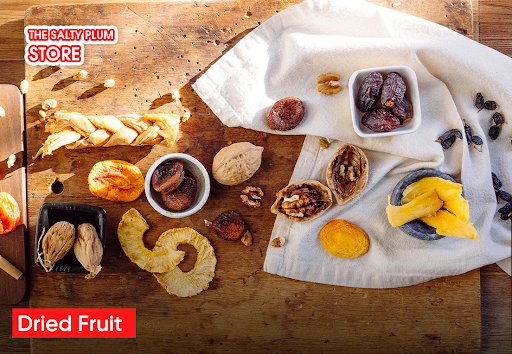
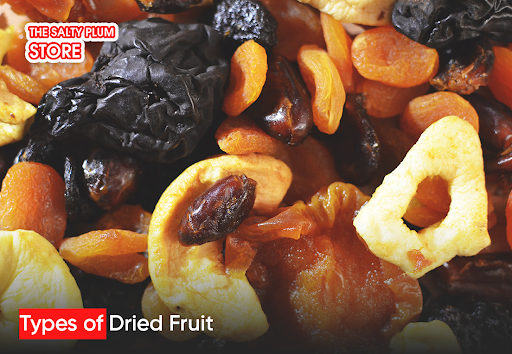
There is much more to dried fruit than raisins and dates. Different fruits, preparation methods and culinary traditions create a wide range of textures and flavours.
Some of the most familiar dried fruits include:
- Raisins
- Dates
- Prunes
- Figs
- Dried apricots
- Dried apples
- Dried pears
- Dried peaches
- Dried cranberries
These fruits are commonly eaten as snacks or used in breakfast foods, baking, desserts and cooking.
Traditional dried fruits such as raisins, dates, prunes, figs and apricots are often sold in relatively simple forms, although ingredients can vary between products.
For example, some dried fruits may contain only the fruit itself, while others may contain added sugar, fruit juice or preservatives. Checking the ingredient list is therefore important when comparing products.
Is Dried Fruit Healthy?
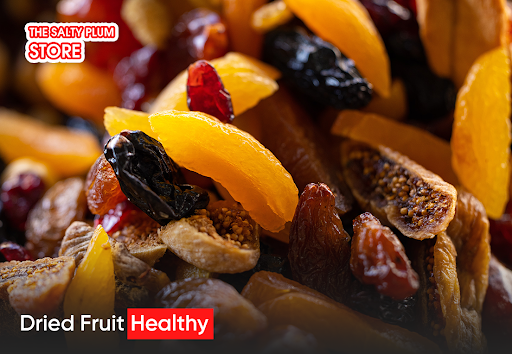
Dried fruit can be part of a balanced diet, but it is important to look at the specific product and the amount you eat.
Because drying removes water, the fruit becomes more concentrated. This means natural sugars and calories are also more concentrated by weight compared with fresh fruit. Some commercial products may additionally contain added sugar.
One of the biggest advantages of dried fruit is convenience.
It can provide:
- A convenient way to enjoy fruit.
- Dietary fibre.
- Various vitamins and minerals, depending on the fruit.
- Plant compounds naturally present in fruit.
- A portable snack that is easy to store.
- A useful ingredient for breakfast, baking and cooking.
Dried fruit can also help reduce food waste by extending the usable life of fruit that would otherwise spoil relatively quickly.
Its long shelf life makes it practical for travel, lunch boxes, work snacks, road trips and pantry storage.
The nutritional profile varies considerably between fruits and processing methods. Drying can reduce some heat-sensitive nutrients, while many other nutrients and fibre remain.
Dried Fruit vs. Fresh Fruit: What's the Difference?
The biggest difference between fresh and dried fruit is water.
Fresh fruit contains a high proportion of water, while dried fruit has had most of that water removed. As a result, dried fruit is smaller, more concentrated and usually more convenient to store.
|
|
|
|
|
|
|
|
|
|
|
|
|
|
|
|
|
|
|
|
|
|
|
|
|
|
|
|
|
|
|
|
|
|
|
|
Dried Fruit at TSG Gordonvale
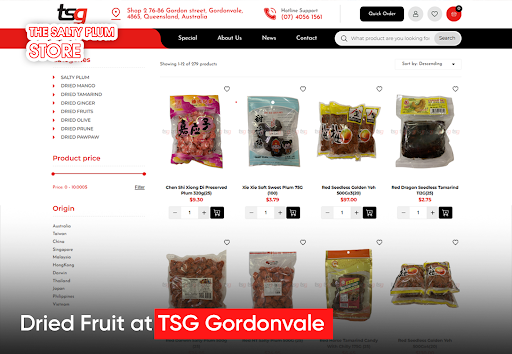
If you're looking for more than the usual raisins and apricots, TSG Gordonvale offers a wide range of dried and preserved fruit products, with a strong focus on Asian and tropical flavours.
At TSG Gordonvale, you can explore:
- Dried mango – sweet, chewy and full of concentrated tropical flavour.
- Dried pawpaw – a naturally tropical option with a soft, chewy texture.
- Dried tamarind – known for its distinctive sweet and tangy flavour.
- Dried ginger – a warming, aromatic option that can be enjoyed as a snack or used in cooking.
- Dried olive – a savoury option for those looking for something different from traditional dried fruit.
- Dried prune – a classic dried fruit that works well as a convenient snack.
TSG Gordonvale serves both retail and wholesale customers, with products sourced from Australia and established Asian producers. The range brings together different flavours and traditions, from sweet tropical fruits to tangy tamarind and savoury-sour preserved plums.
Whether you're looking for a convenient snack, ingredients for cooking and baking, or something new to try, TSG Gordonvale offers a variety of dried and preserved fruit beyond the traditional dried fruit aisle.
Explore the dried fruit collection at TSG Gordonvale and discover tropical and Asian fruit snacks to suit your taste.
Frequently Asked Questions About Dried Fruit
Is dried fruit the same as dehydrated fruit?
Dried fruit and dehydrated fruit are closely related terms. Both involve removing water from fresh fruit.
“Dried fruit” is the broader everyday term, while “dehydrated fruit” often refers more specifically to fruit that has been dried using a controlled dehydration process.
Sun-dried, dehydrated and freeze-dried fruits can all fall under the broader category of dried fruit, although the methods and final textures are different.
Does dried fruit have more sugar than fresh fruit?
Dried fruit does not necessarily contain more sugar because sugar was added.
However, removing water concentrates the fruit's naturally occurring sugars. As a result, dried fruit generally contains more sugar per unit of weight than the same fruit in its fresh form.
This is one reason portion size matters when eating dried fruit.
Does dried fruit have added sugar?
It depends on the product.
Some dried fruit contains only the fruit itself, while other products may contain added sugar, syrup or fruit juice.
If you want to avoid added sugar, check the ingredient list and nutrition information before buying. This is particularly important when comparing different brands or varieties of dried mango, berries and other sweeter fruit products.
Is freeze-dried fruit the same as dried fruit?
Freeze-dried fruit is a type of dried fruit, but it is made using a different process.
Traditional drying generally removes moisture using sunlight, warm air or controlled heat. Freeze-drying first freezes the fruit and then removes water under vacuum.
The result is usually much lighter and crispier than conventional dried fruit. Freeze-dried fruit is therefore different in texture and processing, even though both products are forms of dried fruit.
How much dried fruit should you eat?
There is no single portion that is right for everyone, as individual dietary needs vary.
A useful principle is to remember that dried fruit is concentrated because most of its water has been removed. A smaller portion can therefore represent a much larger amount of fresh fruit.
For everyday snacking, pay attention to the serving size on the package and avoid eating large quantities directly from the bag without noticing how much you have consumed.
If you have specific dietary requirements, follow advice from your doctor or qualified dietitian.
So, what is dried fruit? It is fruit that has had most of its water removed, creating a smaller, longer-lasting and more concentrated food. From raisins and dates to dried mango, tamarind and pawpaw, there is a wide variety to explore. Dried fruit can be a convenient part of a balanced diet, but ingredients and portion size matter
If you're ready to discover more tropical and Asian dried fruit varieties, explore the collection at TSG Gordonvale