




Rehydrating dried fruit is simple: cover the dried fruit with water and soak it until the pieces become plump and tender, while hot or boiling water can shorten the process when you need softer fruit quickly. A practical starting point is about ½ cups of water for 1 cup of dried fruit, with a general soaking range of 30–75 minutes, although thinner pieces rehydrate faster and larger pieces can take longer.
This guide explains how to rehydrate dried fruit step by step, how long different types may take, which liquids and methods work best, and when you can rehydrate fruit directly during cooking.
How to Rehydrate Dried Fruit Step by Step
The basic rehydration process uses liquid, soaking time, and texture as the three main controls for restoring moisture to dried fruit.
1. Choose and Measure the Dried Fruit
Choose the dried fruit based on your recipe and measure only the amount you plan to use, because rehydrated fruit becomes more perishable than dry fruit. Raisins, dried mango, prunes, dried apricots, dried pineapple, dried pawpaw, and other dried fruits can all absorb moisture, but their size, thickness, and texture affect the process.
If you are combining different dried fruits, separate pieces with noticeably different sizes or textures when possible, because smaller pieces can become soft before larger pieces finish rehydrating.

2. Cover the Fruit With Water
Cover the dried fruit with enough water to allow the pieces to absorb moisture fully, with about 1½ cups of water per 1 cup of dried fruit providing a useful starting ratio.
Place the dried fruit in a heatproof bowl and add enough water to submerge the pieces completely. Use plain water when you want a neutral flavor, or use fruit juice when you want the soaking liquid to contribute additional flavor.
3. Soak Until the Fruit Is Plump and Tender
Soak the dried fruit until it becomes noticeably plumper, softer, and tender, rather than relying on a fixed time for every type of fruit. A general soaking range of 30–75 minutes and notes that thinner slices rehydrate faster.
Check the texture toward the end of the soaking period and extend the time when the center remains firm. Larger, thicker pieces generally need more time than small pieces, while already-soft dried fruit may need only a short soak.
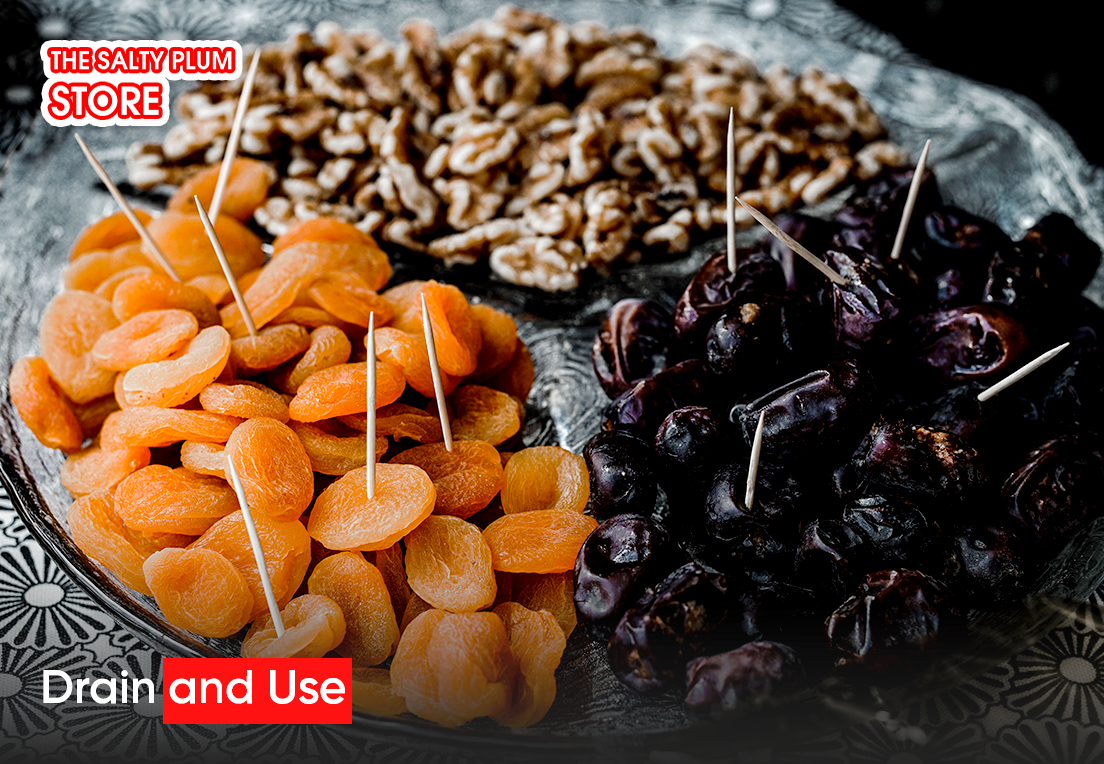
4. Drain and Use
Drain the rehydrated fruit when your recipe requires relatively dry fruit, because excess surface liquid can change the texture of baked goods and other dishes.
Pat the fruit gently with a clean paper towel when you need to reduce surface moisture before baking. Keep the soaking liquid when it contains useful flavor and your recipe can incorporate it, particularly when you use fruit juice or another flavorful cooking liquid.
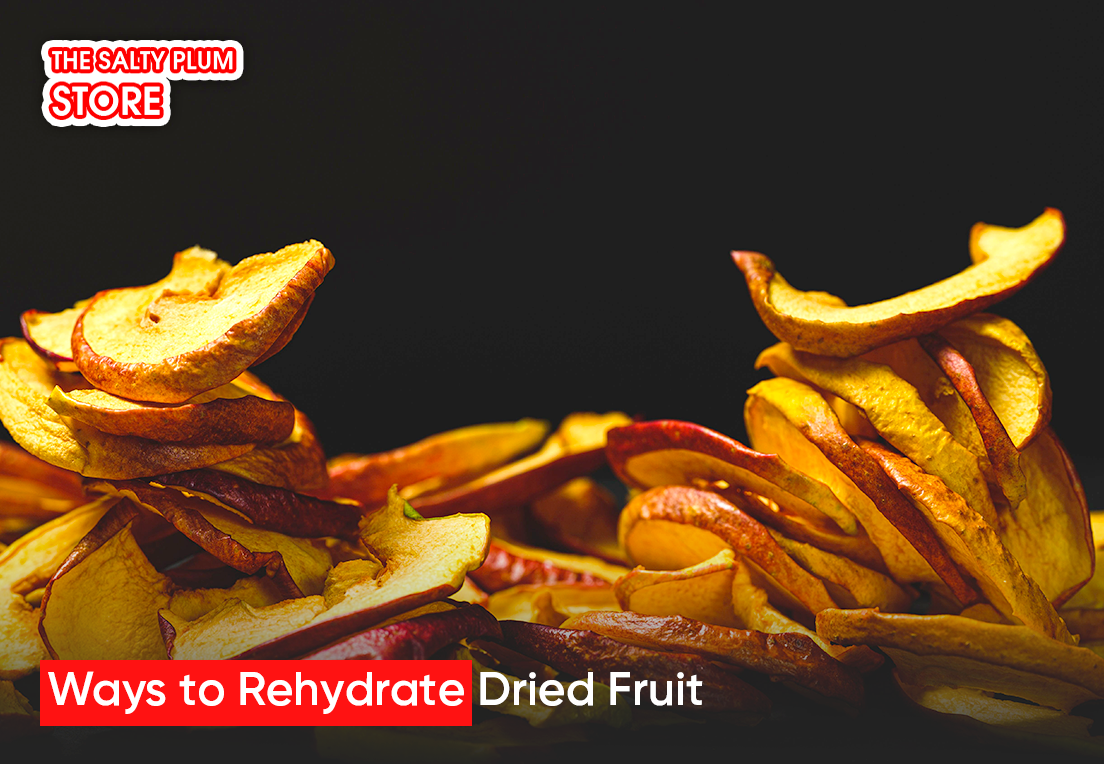
4 Ways to Rehydrate Dried Fruit
You can rehydrate dried fruit through cold or room-temperature soaking, hot water, microwave heating, or direct cooking, so the best method depends on how quickly you need the fruit and how you plan to use it.
Soaking in Water
Water soaking provides the simplest and most controlled method for rehydrating dried fruit, because the neutral liquid restores moisture without significantly changing the fruit's flavor.
Cover the fruit with water and allow it to soak until it reaches the desired texture. Use this method when preparation time is available and you want predictable, gentle rehydration.
Using Hot or Boiling Water
Hot or boiling water provides a faster way to soften dried fruit, because higher temperatures accelerate moisture absorption. This method works particularly well for hard raisins, dried mango, dried figs, prunes, dried apricots, and other fruit that needs quick softening.
Rehydrating in the Microwave
Microwave rehydration provides a convenient option when you need softened fruit quickly, because the microwave can heat the water or fruit juice rapidly. Place the fruit in a microwave-safe container, cover it with water or fruit juice, and heat the liquid until it becomes very hot or reaches a boil.
Rehydrating While Cooking
You can rehydrate dried fruit directly during cooking when the recipe contains enough liquid, because the fruit can absorb moisture from oatmeal, sauces, compotes, or other dishes. This method can eliminate a separate soaking step, but you should allow enough cooking liquid and time for the fruit to soften fully.
What to Do With Rehydrated Dried Fruit
Rehydrated dried fruit works well in both sweet and savory preparations because its softer texture makes it easier to chew, blend, bake, and cook.
You can use rehydrated dried fruit in:
- Oatmeal: Add softened raisins, prunes, apricots, or mango for a softer fruit texture.
- Cakes and muffins: Drain the fruit before folding it into the batter when the recipe requires controlled moisture.
- Fruitcake: Rehydrated dried fruit can provide a softer texture throughout the finished cake.
- Pies: Use softened dried apples, peaches, pears, or other fruit in cooked fillings.
- Compotes and sauces: Simmer dried fruit with water or juice until tender.
- Smoothies: Softened fruit blends more easily with other ingredients.
- Desserts: Use rehydrated fruit in puddings, yogurt, or other desserts.
- Fruit salads: Rehydrated fruit can provide a softer contrast to fresh ingredients.
You do not always need to rehydrate dried fruit before baking, because some recipes provide enough moisture for the fruit to soften during cooking. However, soaking can help particularly firm fruit remain plump and can reduce the amount of moisture that the fruit pulls from a batter or dough.
For example, TSG Gordonvale offers dried mango, dried pineapple, dried pawpaw, dried prune, and other dried fruits that can work as snack ingredients or cooking ingredients.
How to Store Rehydrated Dried Fruit Safely
Rehydrated dried fruit should be used soon or refrigerated because added moisture makes the fruit much more perishable than its original dried form.
Refrigeration is particularly relevant once moisture has been added back to the fruit, although storage requirements can vary between products. Learn more about does dried fruit need to be refrigerated and when refrigeration is recommended.
Refrigerate any portion that you do not use immediately and keep it in a clean, covered container. Prepare only the amount you need whenever possible, because keeping dried fruit dry preserves its shelf stability better than repeatedly rehydrating and storing it.
Proper storage becomes especially important when you have prepared a larger batch or need to keep dried fruit for later use. See how to store dried fruit long term for practical guidance on packaging, moisture control and storage conditions.
Do not assume that rehydrated fruit has the same shelf life as packaged dried fruit. Once water returns to the fruit, you should handle it more like a moist food than a shelf-stable dried product, which is why prompt use and appropriate refrigeration matter.
The shelf life of dry packaged fruit is different from that of fruit after rehydration. For general guidance on storage duration before adding moisture, see how long does dried fruit last.
The easiest way to rehydrate dried fruit is to cover it with water and soak it until it becomes plump and tender, while hot water can provide a faster 5–15 minute option. The right soaking time depends on fruit type, thickness, dryness, and the texture you need, so use the clock as a guide and the fruit's texture as the final test.
For quality dried fruit for snacking, baking, and cooking, explore the range of dried mango, dried pineapple, dried pawpaw, dried prune, and other dried fruits available from TSG Gordonvale