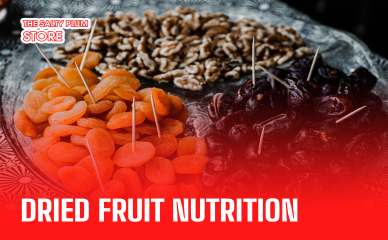




Dried fruit retains many of the nutrients found in fresh fruit, but removing water makes its sugars, carbohydrates, and calories more concentrated by weight. The dried fruit nutritional value therefore depends on the fruit itself, the drying process, and whether the product contains added sugar or other ingredients.
This guide explains the main dried fruit nutrition facts, including carbohydrates, natural sugars, fibre, vitamins, minerals, calories, and plant compounds, before comparing popular varieties and exploring the dried fruit range at TSG Gordonvale.
What Nutrients Are in Dried Fruit?
Dried fruit provides carbohydrates, fibre, minerals, and other nutrients, although the nutritional profile varies considerably between fruit varieties and products.
|
|
|
|
|
|
|
|
|
|
|
|
|
|
|
|
|
|
|
|
|
|
|
|
|
|
|
|
|
|
|
|
|
Carbohydrates and Natural Sugars
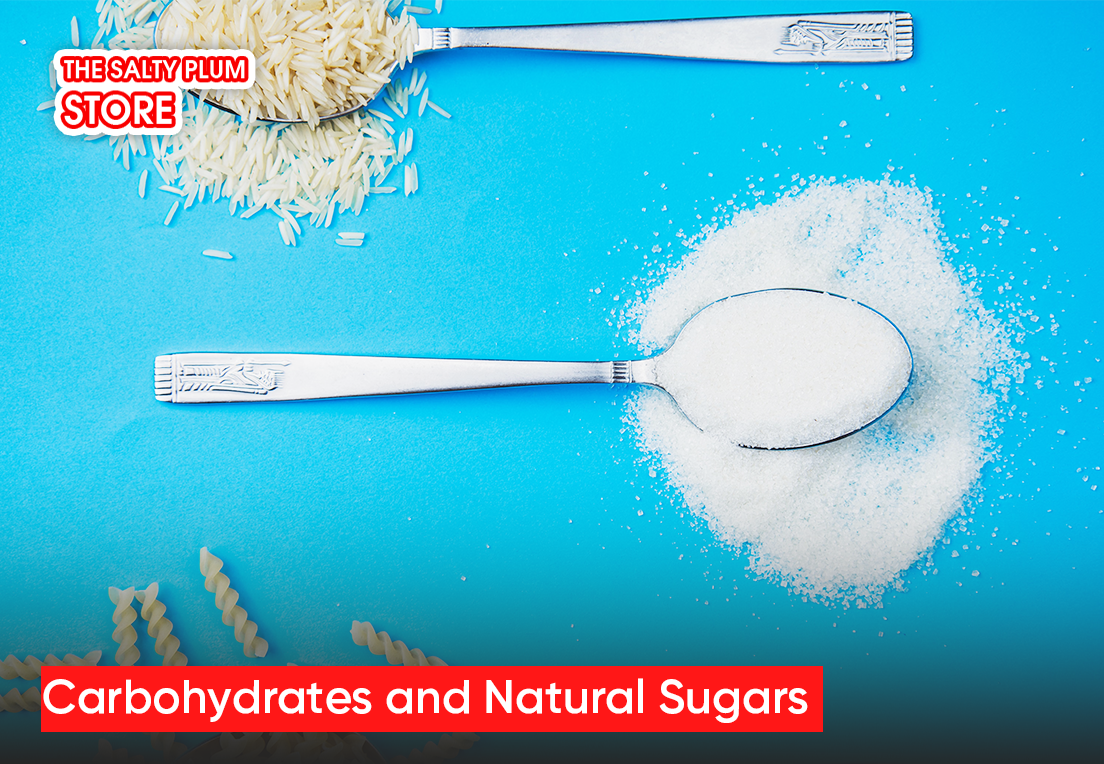
Carbohydrates form the main macronutrient group in many dried fruits because fruit naturally contains sugars and other carbohydrates. Drying removes water from the fruit but does not remove all of its naturally occurring sugar, so the remaining fruit contains more carbohydrate per gram than its fresh counterpart.
Dried fruit does not automatically contain added sugar because manufacturers can produce dried fruit without sweeteners. However, some products add sugar during processing, which changes the product's overall formulation and makes the ingredient list important when comparing options.
For example, plain dried mango can contain the natural sugars of mango, while a sweetened dried mango product can contain both fruit sugars and added sugar. The nutrition panel can therefore provide useful information about total carbohydrate and sugar content, while the ingredient list can reveal whether manufacturers added sugar.
Fibre
Dried fruit retains fibre because the drying process removes water rather than eliminating the fruit's structural components. The amount of dried fruit fibre varies according to the fruit variety, preparation method, and serving size.
Fibre contributes to the overall nutritional profile of dried fruit, but different fruits provide different amounts. Prunes, dates, apricots, and raisins, for example, have distinct nutrient compositions, so consumers should not assume that every dried fruit provides identical amounts of fibre.
Vitamins and Minerals
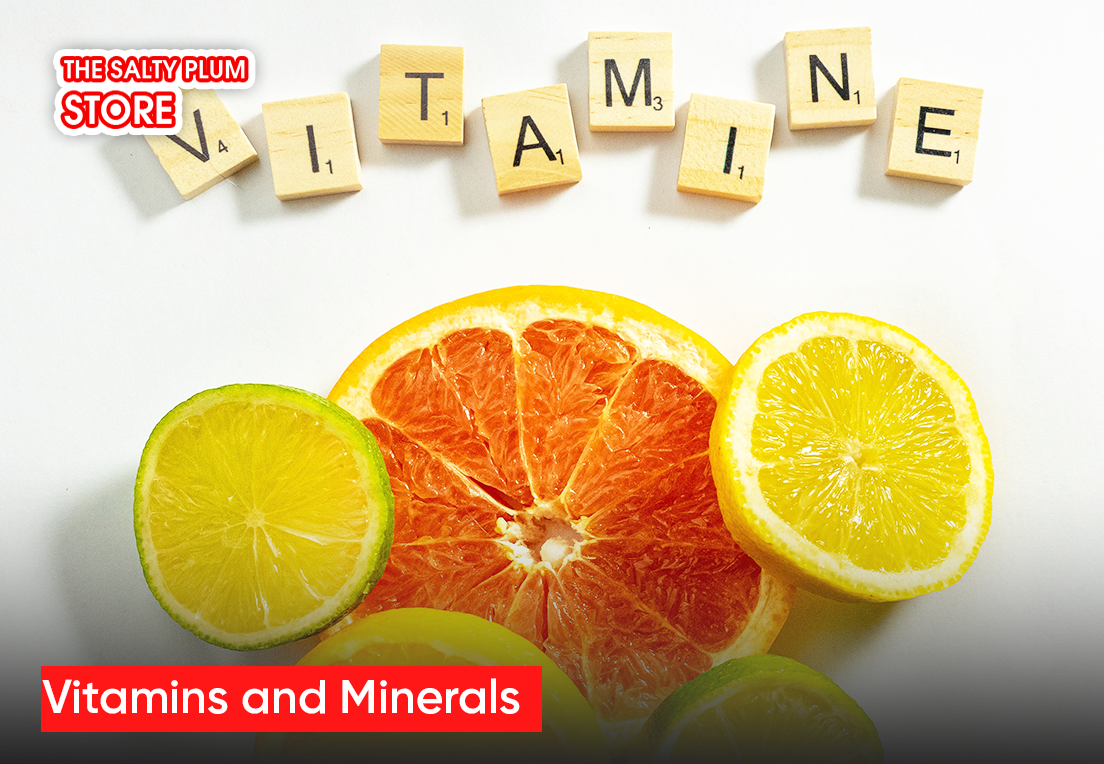
Dried fruit can provide several micronutrients, although processing can affect individual vitamins differently. Many dried fruits contain minerals such as potassium, iron, magnesium, and calcium, while some varieties also contribute carotenoids and other plant compounds.
The dried fruit vitamins profile depends strongly on the original fruit and drying conditions. Heat-sensitive nutrients can decline during processing, and vitamin C provides a common example because heat and storage can reduce its concentration.
Minerals generally remain more stable during drying because water removal does not destroy minerals. The resulting dried fruit minerals content can therefore become more concentrated by weight, although the exact amount still depends on the fruit and product.
Why Is Dried Fruit Higher in Calories and Sugar?
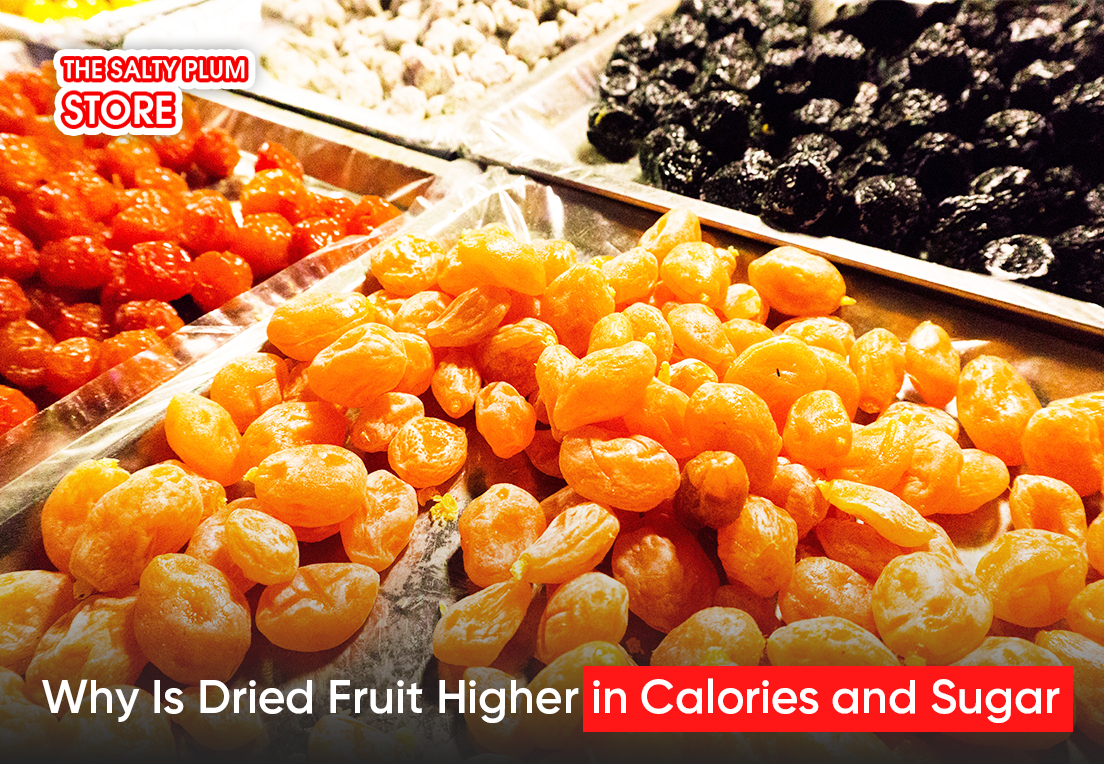
Dried fruit has more calories and sugar per gram mainly because the drying process removes water and concentrates the fruit's remaining components.
Water Removal Concentrates Nutrients and Sugars
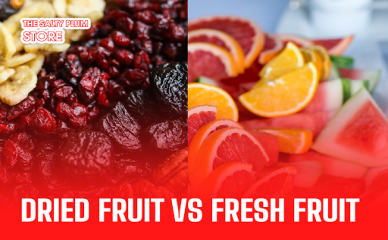
Water removal increases the concentration of calories, carbohydrates, and natural sugars in dried fruit because the same original fruit contains less water after drying. A smaller amount of dried fruit can therefore represent a much larger quantity of fresh fruit by weight.
Harvard Health uses the comparison between fresh and dried fruit to illustrate this concentration effect: removing water makes dried fruit more energy-dense while retaining many of the fruit's nutrients and minerals.
This difference explains why comparing 100 grams of fresh fruit with 100 grams of dried fruit can produce very different calorie and sugar figures. The comparison measures the same weight, but the dried fruit contains substantially less water.
Natural Sugar vs Added Sugar
Natural sugar and added sugar represent different sources of sweetness because natural sugar occurs within the fruit while added sugar enters the product during manufacturing. Dried fruit can therefore contain naturally occurring sugars without being a sweetened product.
Consumers should check both the ingredient list and nutrition information because two dried fruit products made from the same fruit can have different formulations. A plain dried fruit product may list only the fruit, while another version may contain sugar, syrup, or other ingredients.
Nutrition Differences Between Popular Dried Fruits
Different fruits produce different nutritional profiles, so consumers should compare individual varieties rather than treating all dried fruit as one category.
|
|
|
|
|
|
|
|
|
|
|
|
|
|
|
|
|
|
|
|
|
Raisins provide concentrated carbohydrates and naturally occurring sugars alongside fibre and minerals such as potassium. Prunes provide fibre, potassium, and naturally occurring sorbitol, giving them a nutritional profile that differs from many other dried fruits.
Dates contain carbohydrates, natural sugars, and fibre, while dried apricots provide fibre, potassium, and carotenoid compounds associated with vitamin A activity. These differences demonstrate why a single generic number cannot accurately describe every type of dried fruit.
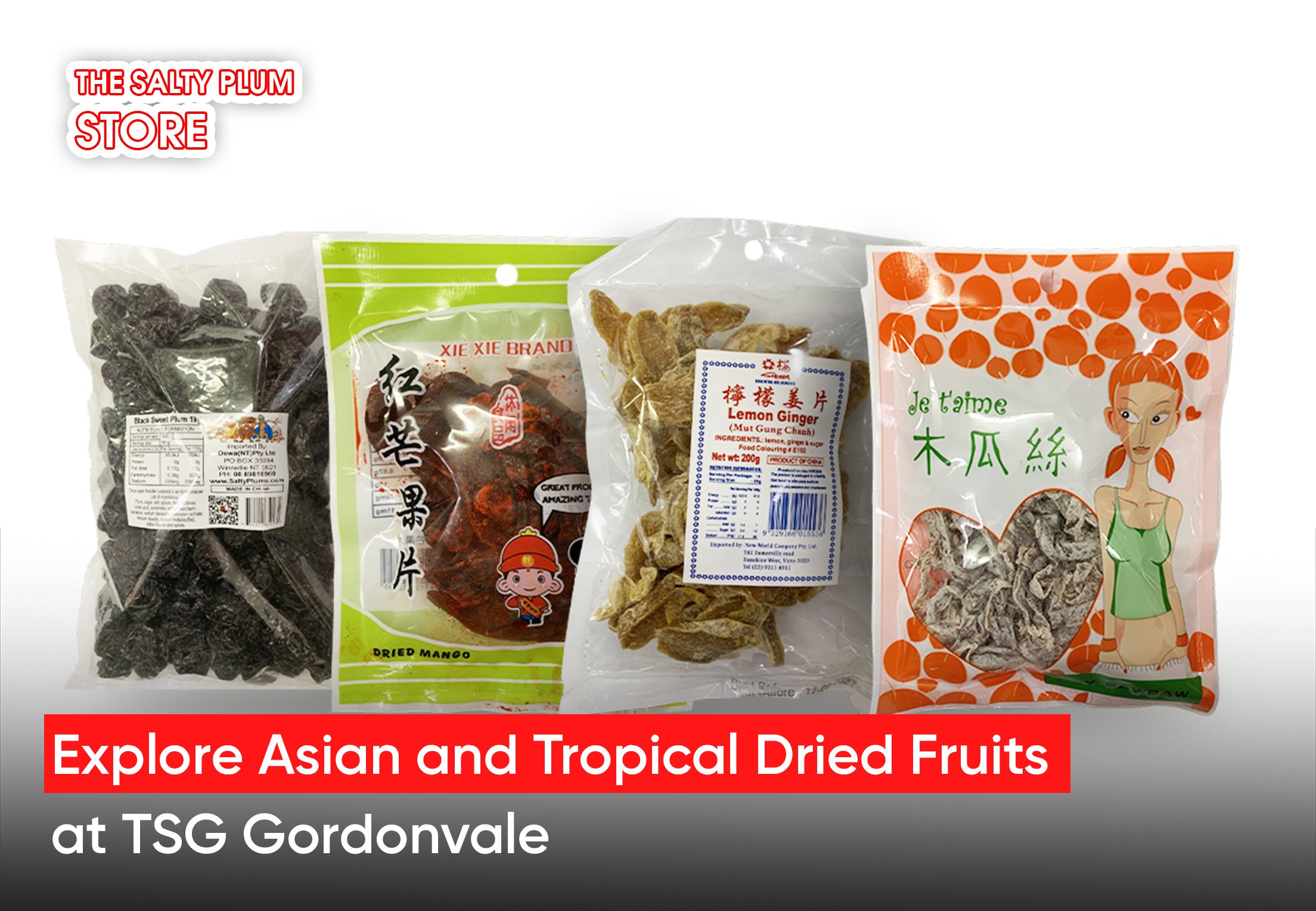
Dried mango and dried pawpaw can provide the natural characteristics of tropical fruit in a compact format, but commercial formulations vary. Some products may contain added sugar, so the product label remains the best source for exact information.
The dried fruit nutrition facts of a particular product depend on its fruit variety, ingredients, processing method, and serving size, so consumers should use the nutrition panel when they need precise values.
Explore Asian and Tropical Dried Fruits at TSG Gordonvale
TSG Gordonvale offers a broad range of Asian and tropical dried and preserved fruits for customers looking beyond conventional dried fruit varieties.
The range includes:
- Dried Mango for a tropical fruit snack or ingredient.
- Dried Pawpaw for customers exploring Asian and tropical fruit varieties.
- Dried Tamarind with its distinctive sweet and tangy flavour.
- Dried Ginger for snacking, cooking, and food preparation.
- Dried Olive as a distinctive preserved fruit option.
- Dried Prune as a familiar dried fruit variety.
TSG Gordonvale serves both retail and wholesale customers, while its product range includes items sourced from different countries and established Asian producers. This range gives customers access to fruit products that extend beyond the familiar raisins and dried apricots found in many mainstream selections.
When comparing products, customers can use the information on individual packaging to check ingredients, serving size, energy, carbohydrates, sugars, fibre, and other listed nutrients. TSG provides the product range, while recognised nutrition authorities and product labels provide the appropriate basis for detailed nutritional information.
Explore TSG Gordonvale's dried fruit range and discover Asian and tropical fruit snacks for everyday snacking, cooking and sharing.
Dried Fruit Nutrition FAQs
These frequently asked questions address the most common concerns about calories, sugar, serving size, and nutrient retention.
Is dried fruit healthy?
Dried fruit can form part of a balanced diet because it retains fibre and many nutrients from the original fruit. Its concentrated calories and sugars make portion size and product formulation important considerations.
How much dried fruit is one serve?
In Australia, 30 g of dried fruit is recognised as one standard serve of fruit under the Australian Dietary Guidelines. This figure describes a standard fruit serve rather than a universal daily limit, so individual dietary needs and overall food intake still matter.
Does dried fruit have the same nutrients as fresh fruit?
Dried fruit retains many nutrients found in fresh fruit, but processing can change some nutrient levels. Minerals and fibre generally remain, while heat-sensitive vitamins such as vitamin C may decrease during drying.
Overall, dried fruit nutrition depends on more than its sugar content alone because fruit variety, water removal, fibre, minerals, vitamins, ingredients, and portion size all influence the final nutritional profile. Understanding how drying changes food composition allows consumers to compare products more confidently and choose varieties that fit their preferences and eating habits.