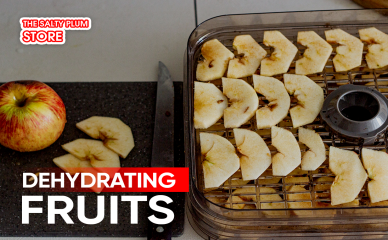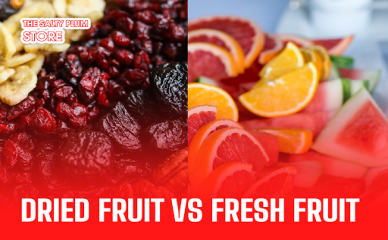




Yes, dried fruit loses some nutrients during drying, but the process does not remove all of its nutritional value. Vitamin C is particularly vulnerable to heat and prolonged processing, while dietary fiber and many minerals generally remain relatively stable. Removing water also concentrates naturally occurring sugars, calories and nutrients by weight. The amount of nutrient loss depends on the fruit, drying temperature, processing time and drying method.
This article explains which nutrients decrease, which ones remain, how dried fruit compares with fresh fruit, and what to consider when choosing dried fruit.
Does Dried Fruit Lose Nutrients?
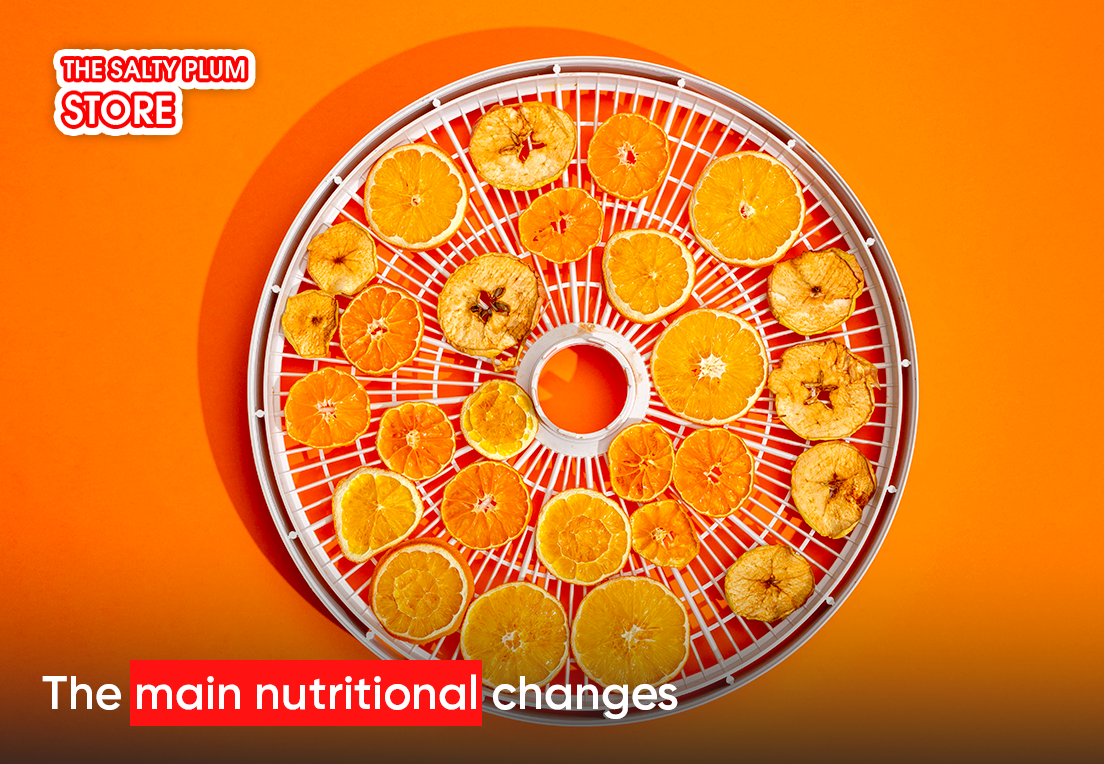
Dried fruit does lose some nutrients, but the nutritional change depends on the nutrient and the way the fruit is processed. Drying removes water from fruit, while heat, oxygen and processing time can affect specific vitamins and phytochemicals.
The main nutritional changes include:
- Vitamin C: Often decreases because vitamin C is sensitive to heat and prolonged storage.
- Some B vitamins: Certain water-soluble B vitamins can experience losses during processing.
- Antioxidants and phytochemicals: Some compounds can degrade through heat and oxidation, while others remain relatively stable.
- Fiber: Generally remains well retained because drying removes water rather than dietary fiber.
- Minerals: Minerals such as potassium, magnesium, calcium and iron generally remain relatively stable.
- Carbohydrates: The carbohydrate content becomes concentrated because water is removed.
- Calories: Calories become more concentrated by weight because the fruit contains less water.
Vitamin C is one of the nutrients most likely to decrease when fruit is dried because heat and oxygen can degrade ascorbic acid. The National Institutes of Health identifies vitamin C as a water-soluble vitamin that is susceptible to heat, while prolonged storage can also reduce its content.
Some B vitamins, including thiamine, riboflavin and niacin, can also change during processing, although retention is generally considered fairly good under controlled drying conditions.
Dietary fiber and minerals are generally better retained because drying primarily removes water rather than these components. Colorado State University Extension reports that fiber remains unchanged during drying and that minerals generally have good retention.
Why Does Drying Affect Nutrients?
Drying affects nutrients because the process combines moisture removal with exposure to heat, oxygen and sometimes light. These factors influence different nutrients in different ways.
Heat and Drying Time
Heat can reduce heat-sensitive nutrients because higher temperatures and longer exposure increase thermal degradation. Vitamin C provides a clear example because heat can reduce its concentration during food processing.
The drying temperature therefore matters, but time also matters because prolonged exposure gives heat more opportunity to affect sensitive compounds. Controlled drying can balance moisture removal with nutrient retention, while excessive heat or extended processing can increase losses.

Oxygen, Light and Oxidation
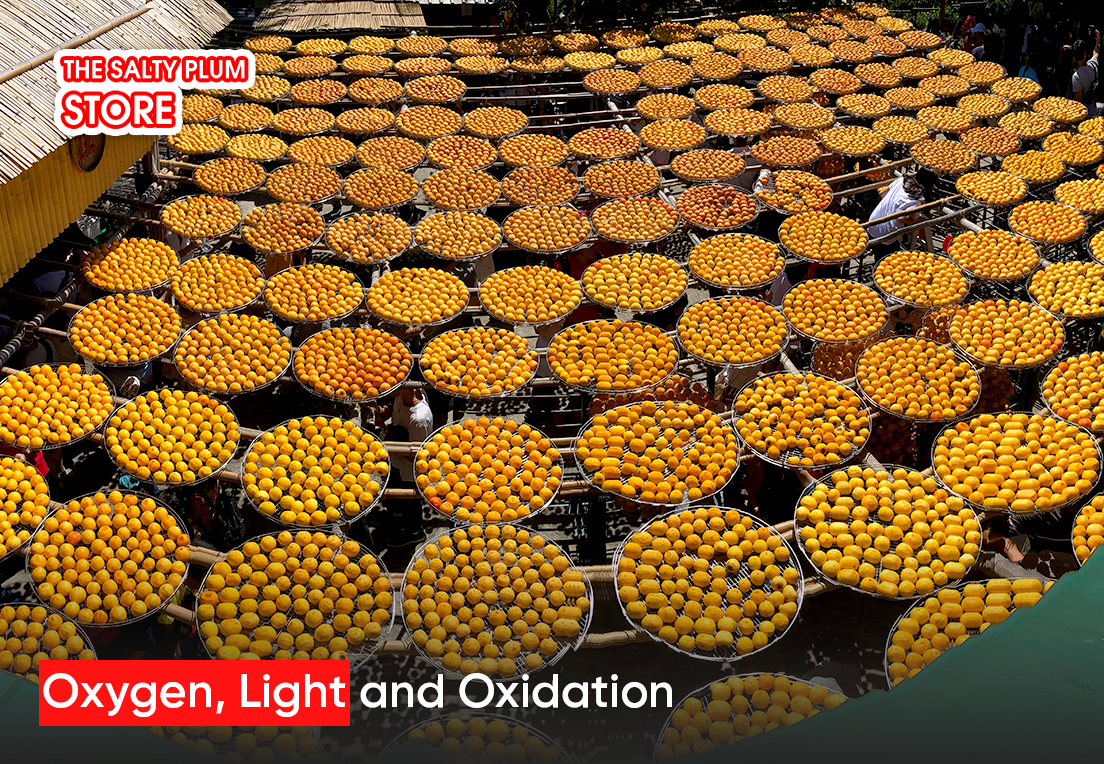
Oxygen can reduce certain nutrients and phytochemicals because oxidation changes sensitive compounds during processing and storage. Vitamin C and several plant pigments are particularly susceptible to oxidation.
Light can also affect compounds that are sensitive to light exposure, while oxygen can contribute to colour and quality changes over time.
For this reason, drying is not only a question of temperature. Drying conditions determine how much heat, oxygen and light the fruit experiences before it reaches the consumer.
Dried Fruit vs Fresh Fruit Nutrition
Fresh and dried fruit contain many of the same nutrients, but water removal creates important differences in nutrient concentration, sugar density, calories and serving size.
|
|
|
|
|
|
|
|
|
|
|
|
|
|
|
|
|
|
|
|
|
|
|
|
|
|
|
|
|
|
|
|
|
|
|
|
FAQs About Dried Fruit and Nutrients
Does dried fruit lose vitamin C?
Dried fruit can lose vitamin C because vitamin C is sensitive to heat, oxygen and prolonged processing. The amount of loss varies according to the fruit and drying conditions, so not every dried fruit product experiences the same reduction.
Does dried fruit retain fiber and minerals?
Dried fruit generally retains dietary fiber and many minerals because these components are more stable during water removal. Potassium, magnesium, calcium and iron can remain in dried fruit, although their concentration per 100 g increases because the fruit contains less water.
Is dried fruit as nutritious as fresh fruit?
Dried fruit can remain nutrient-dense, but it does not have exactly the same nutritional profile as fresh fruit. Fresh fruit generally provides more water and often more heat-sensitive vitamin C, while dried fruit concentrates nutrients, natural sugars and calories into a smaller portion.
This difference explains why dried fruit nutrition vs fresh should be evaluated by nutrient, serving size and intended use rather than by asking which form is universally healthier.
Does freeze-dried fruit retain more nutrients?
Freeze-dried fruit can retain more heat-sensitive nutrients than some conventionally heat-dried fruit because freeze drying removes water under low-temperature vacuum conditions. Harvard Health notes that freeze-dried fruit tends to maintain nutrients better than fruit dried using heat, although the final nutritional profile still depends on the fruit and processing method.
Freeze drying should therefore be viewed as a method that can improve retention of certain sensitive compounds, not as a guarantee that every nutrient remains unchanged.
Does dried fruit have more sugar than fresh fruit?
Dried fruit usually contains more sugar per 100 g than fresh fruit because dehydration removes water and concentrates naturally occurring sugars. Harvard Health gives the example of fresh apple containing about 10 g of sugar per 100 g compared with about 57 g in dried apple.
The product may also contain added sugar, which makes checking the ingredient list important. Choosing products without unnecessary added sugars can help consumers distinguish naturally concentrated fruit from sweetened dried fruit.
Dried fruit can lose some nutrients during processing, but it still provides valuable nutrients such as fiber and minerals. The biggest changes usually affect heat-sensitive vitamins and certain plant compounds, while removing water concentrates natural sugars, calories and remaining nutrients by weight. The type of fruit and drying method also influence the final nutritional profile.
If you are looking for convenient options beyond traditional raisins and apricots, TSG Gordonvale offers a wide selection of Asian and tropical dried and preserved fruit for snacking, cooking and wholesale needs. Explore the range to discover new fruit flavours from Australia and across Asia.