



Dehydrating fruits is a simple way to remove moisture while concentrating flavour and creating a longer-lasting snack. The key is not simply applying heat. Preparation, slice thickness, temperature, airflow and drying time all work together. In this guide, you'll learn how to dehydrate fruit at home, how to tell when it is properly dried, and how to condition and store it for better quality.
8 Steps to Dehydrate Fruit at Home
Dehydrating fruit is relatively straightforward, but each step affects the final texture and storage quality.
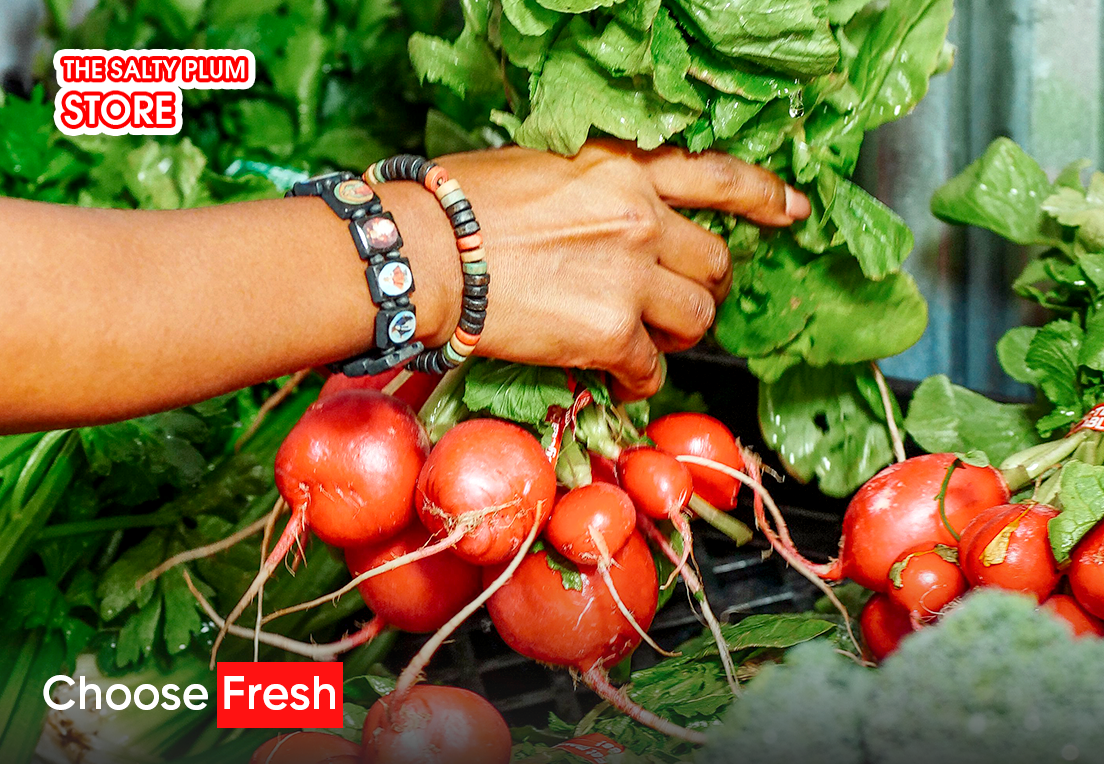
1. Choose Fresh, Ripe Fruit
Start with fruit that is ripe but still reasonably firm. Avoid fruit that is mouldy, badly bruised, damaged or already showing signs of spoilage. Drying will concentrate the fruit's flavour, but it will not improve poor-quality or spoiled produce.
For the best results, choose fruit with good flavour and ripeness, then process it soon after purchase or harvest.
2. Wash and Prepare the Fruit
Wash fresh fruit thoroughly under clean, running water before cutting or peeling. FoodSafety.gov recommends washing produce under running water and advises against using soap, bleach or other household disinfectants on fruit.
Depending on the fruit, preparation may include:
-
Peeling mango, pineapple or pawpaw.
-
Removing apple cores.
-
Removing stones from peaches, plums and apricots.
-
Removing seeds where appropriate.
-
Cutting away damaged areas.
-
Allowing the fruit to drain or gently drying its surface.
Removing excess surface moisture helps the dehydration process start more efficiently.
3. Cut Fruit Into Even Pieces
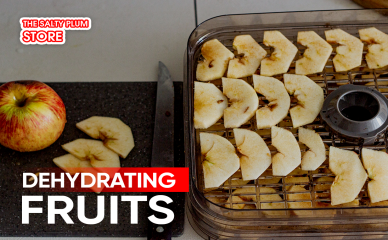
Slice thickness is one of the biggest factors affecting drying time. Cut the fruit into pieces of similar size and thickness so they dry at a similar rate. Thin slices generally dry faster, while thick pieces retain moisture for longer.
For many fruits, slices around 1/8 to 1/4 inch (3–6 mm) are a useful starting point, although the ideal thickness depends on the fruit and the texture you want.
The basic relationship is simple:
Thicker slices → more moisture → longer drying time.
4. Pretreat Fruit to Reduce Browning
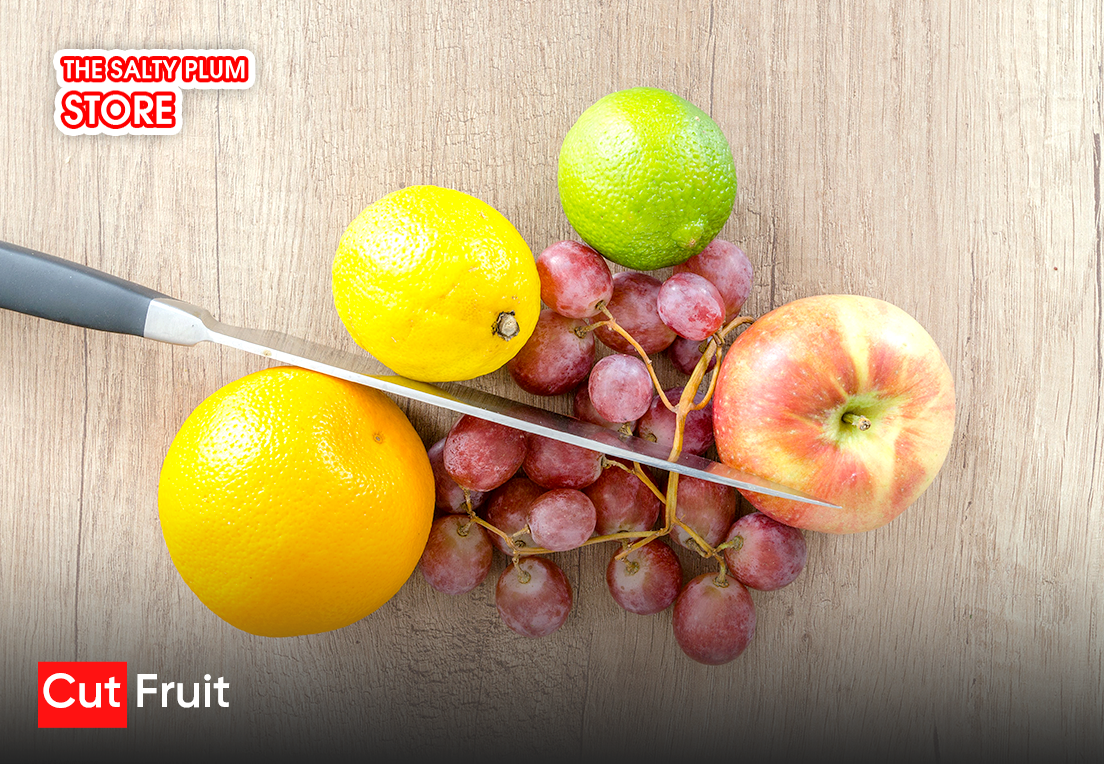
Some fruits, particularly apples, pears and other light-coloured fruits, can darken after cutting because of oxidation.
A simple pretreatment can help reduce browning. Common options include:
-
Lemon juice.
-
Ascorbic acid (vitamin C).
-
Other fruit-specific pretreatment methods.
Pretreatment is not necessary for every fruit. Its main purpose is to help maintain colour and appearance rather than make the dehydration process work.
5. Arrange Fruit on Dehydrator Trays
Place the prepared fruit in a single layer on the dehydrator trays.
Avoid:
-
Overlapping pieces.
-
Crowding the tray.
-
Blocking airflow between pieces.
-
Mixing very different-sized pieces on the same area.
Good airflow is essential because dehydration relies on removing moisture from the fruit and carrying that moisture away. Extension guidance similarly recommends leaving space between pieces to allow air to circulate.
6. Set the Temperature and Start Drying
A common starting point for many fruits is around 135°F (57°C). Guidance for home fruit dehydration generally falls within approximately 125–140°F (52–60°C), depending on the fruit and equipment.
There is no single temperature that works perfectly for every fruit.
Avoid simply turning the heat up to make the process faster. Excessive heat can dry and harden the outside before enough moisture has escaped from the centre. This is known as case hardening and can contribute to poor-quality or mould-prone dried fruit.
7. Cool and Check the Fruit
Do not judge the final texture while the fruit is still hot.
Remove a piece, allow it to cool, then check:
-
Is it chewy, leathery or crisp as intended?
-
Does the centre still look wet?
-
Can moisture be squeezed from it?
-
Is the texture consistent throughout?
For many dried fruits, the finished product should be tough and pliable without visible pockets of moisture.
Remember that soft does not automatically mean under-dried. Dried mango, pawpaw and other fruits can naturally remain flexible and chewy.
8. Condition Before Long-Term Storage
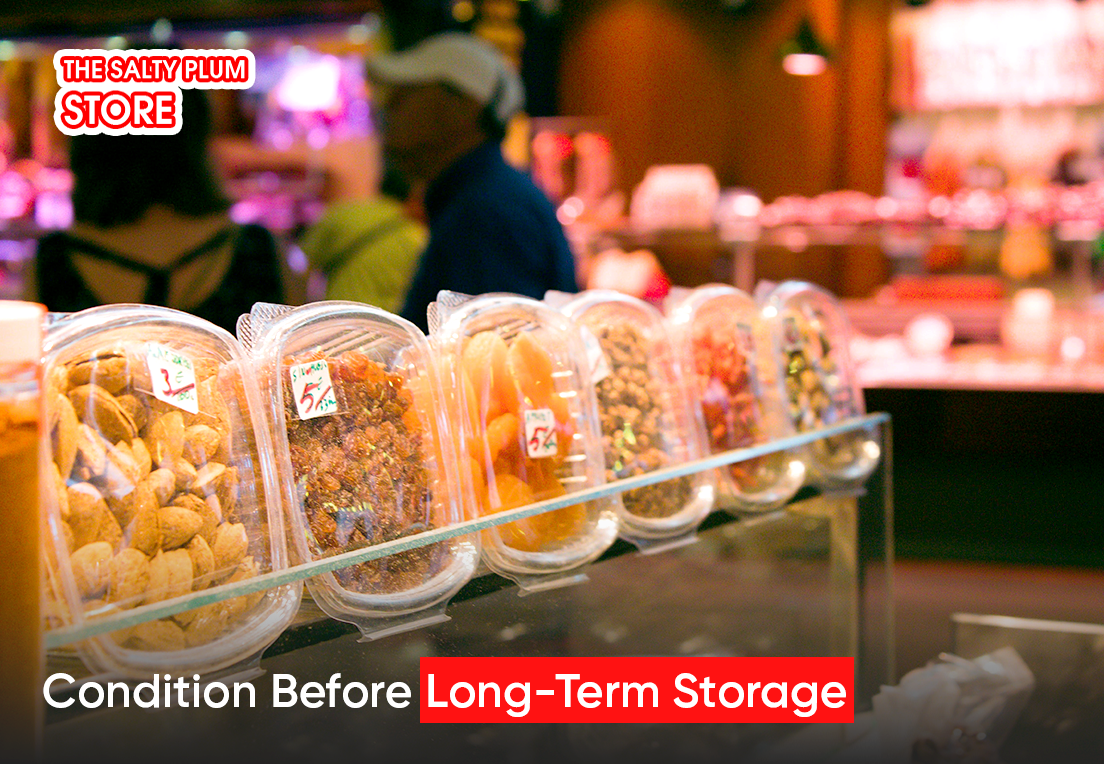
Freshly dried fruit may not have exactly the same moisture level in every piece. Conditioning allows moisture to redistribute between pieces before long-term storage. After cooling, loosely place the fruit in a clean glass or food-safe plastic container. Seal it and check it regularly for condensation. Shake the container daily to separate the pieces.
The National Center for Home Food Preservation recommends conditioning dried fruit for 7–10 days, while some extension guidance uses longer periods depending on the method. If condensation appears, return the fruit to the dehydrator for further drying.
Fruit Dehydration Time & Temperature Chart
These times are approximate starting points, not fixed drying times. Fruit variety, ripeness, moisture, slice thickness, humidity, airflow and the dehydrator can all affect the result.
- Apple: Core and slice thinly. Dry at 55–60°C for approximately 6–12 hours, until soft and pliable.
- Banana: Slice evenly. Dry at 55–60°C for approximately 6–10 hours, until pliable or crisp.
- Mango: Peel and slice evenly. Dry at about 55–60°C for approximately 8–12 hours or longer, until chewy.
- Pineapple: Peel, core and slice. Dry at about 55–60°C for approximately 12–24 hours or longer, until leathery.
- Pawpaw/Papaya: Peel and slice. Dry at about 55–60°C for approximately 8–12 hours or longer, until chewy.
- Strawberry: Wash and slice. Dry at about 55–60°C for approximately 10–24 hours or longer, until leathery or crisp.
- Blueberry: Prepare the skin and dry whole. Dry at about 55–60°C for approximately 14–24 hours or longer, until leathery.
- Raspberry: Prepare and dry carefully. Dry at about 55–60°C for approximately 10–24 hours or longer, until leathery.
- Plum: Remove the pit and halve or slice. Dry at about 55–60°C for approximately 12–24 hours or longer, until leathery.
- Peach: Remove the pit and slice. Dry at about 55–60°C for approximately 12–24 hours or longer, until soft and pliable.
- Apricot: Remove the pit and halve or slice. Dry at about 55–60°C for approximately 24–36 hours, until soft and pliable.
- Citrus: Slice thinly. Dry at about 50–55°C for approximately 16–24 hours or longer, until dry or crisp.
For comparison, University of Missouri guidance at 140°F lists apples at 6–12 hours, bananas at 8–10 hours, and apricots, berries and pineapple at 24–36 hours. Use the clock as a guide; the fruit’s texture and remaining moisture are the final test.
How to Store Dehydrated Fruit
Proper storage is just as important as the dehydration process itself.
Best Containers for Dried Fruit
Use:
-
Glass jars.
-
Airtight food-safe containers.
-
Moisture-resistant food storage bags or packaging.
Glass jars are particularly useful because you can easily see condensation or other changes inside the container.
Where Should You Store It?
Keep dried fruit in a place that is:
-
Cool.
-
Dry.
-
Dark.
-
Away from direct sunlight.
-
Protected from humidity.
Moisture is one of the biggest threats to stored dried fruit. Even fruit that initially appears very dry can absorb moisture again from humid air.
How Long Does Dehydrated Fruit Last?
There is no single shelf-life figure for every type of dehydrated fruit.
Properly dried and stored fruit can retain good quality for months, and many dried fruits can last around a year under suitable storage conditions. Higher temperatures shorten storage life, while moisture exposure can cause quality loss and mould growth.
Check stored fruit periodically. If you notice condensation, unusual moisture or mould, do not assume the fruit is still safe to eat.
Which Fruits Are Best for Dehydrating?
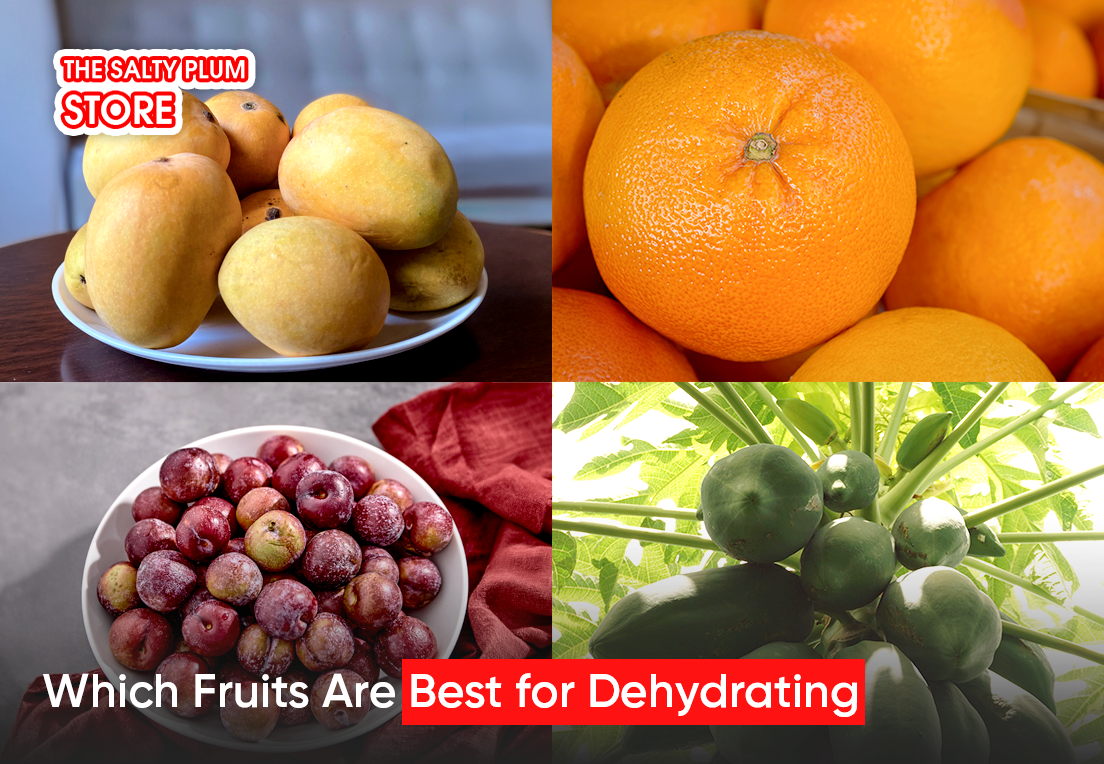
Many types of fruit can be dehydrated at home. The best choices are usually fruits with naturally concentrated flavours that become more pronounced as moisture is removed. Popular options include:
-
Mango – Produces a naturally sweet, soft and chewy snack with a concentrated tropical flavour.
-
Pineapple – Develops a stronger sweet-tart flavour and can have a pleasantly chewy texture when dried.
-
Pawpaw – Works well for soft, chewy dried fruit and pairs naturally with tropical fruit mixes.
-
Banana – Can be dried to a chewy or crisp texture depending on slice thickness and drying time.
-
Strawberry – Suitable for dehydration and develops a more concentrated berry flavour as it dries.
-
Blueberry – Can be dehydrated whole or prepared in smaller pieces, although its moisture content and skin can make the process slower.
-
Raspberry – Can also be dried for a concentrated berry flavour, but may require additional drying time.
-
Plum – Remove the stone and cut into consistent pieces for more even drying.
-
Peach – A good option for soft, chewy dried fruit when sliced evenly before drying.
-
Apricot – Can be dried whole, halved or sliced after removing the stone, depending on the desired texture.
-
Orange – Thin slices can be dehydrated into crisp pieces with a concentrated citrus flavour.
-
Lemon – Dried lemon slices can add an intense citrus flavour and are useful in drinks, tea and baking.
-
Lime – Thinly sliced and dried lime develops a concentrated, aromatic flavour and can be used as a garnish or ingredient.
For beginners, mango, banana, pineapple, pawpaw and strawberries are practical choices to start with, while citrus fruits are particularly useful if you want dried fruit for drinks, baking or decoration.
Explore Asian & Tropical Dried Fruit at TSG Gordonvale
If you enjoy the flavour and convenience of dried fruit but don't want to prepare, slice and dehydrate fruit at home, TSG Gordonvale offers a wide range of Asian and tropical dried and preserved fruit products.
The range includes:
TSG Gordonvale serves both retail and wholesale customers, with products sourced from Queensland growers and established Asian producers. The business also distributes products across Australia, making its range of ready-to-eat Asian and tropical fruit snacks accessible beyond Gordonvale.
Dehydrating fruit at home is simple once you understand the process: Choose → Prepare → Slice → Pretreat → Dry → Cool → Condition → Store. The right temperature, even slicing, good airflow and careful moisture control all contribute to better results. If you'd rather enjoy the flavour of dried tropical and Asian fruit without doing the dehydration yourself, explore the dried fruit range at TSG Gordonvale